

How To Clean and Maintain Jewelry: Expert Tips for Effective Jewelry Care
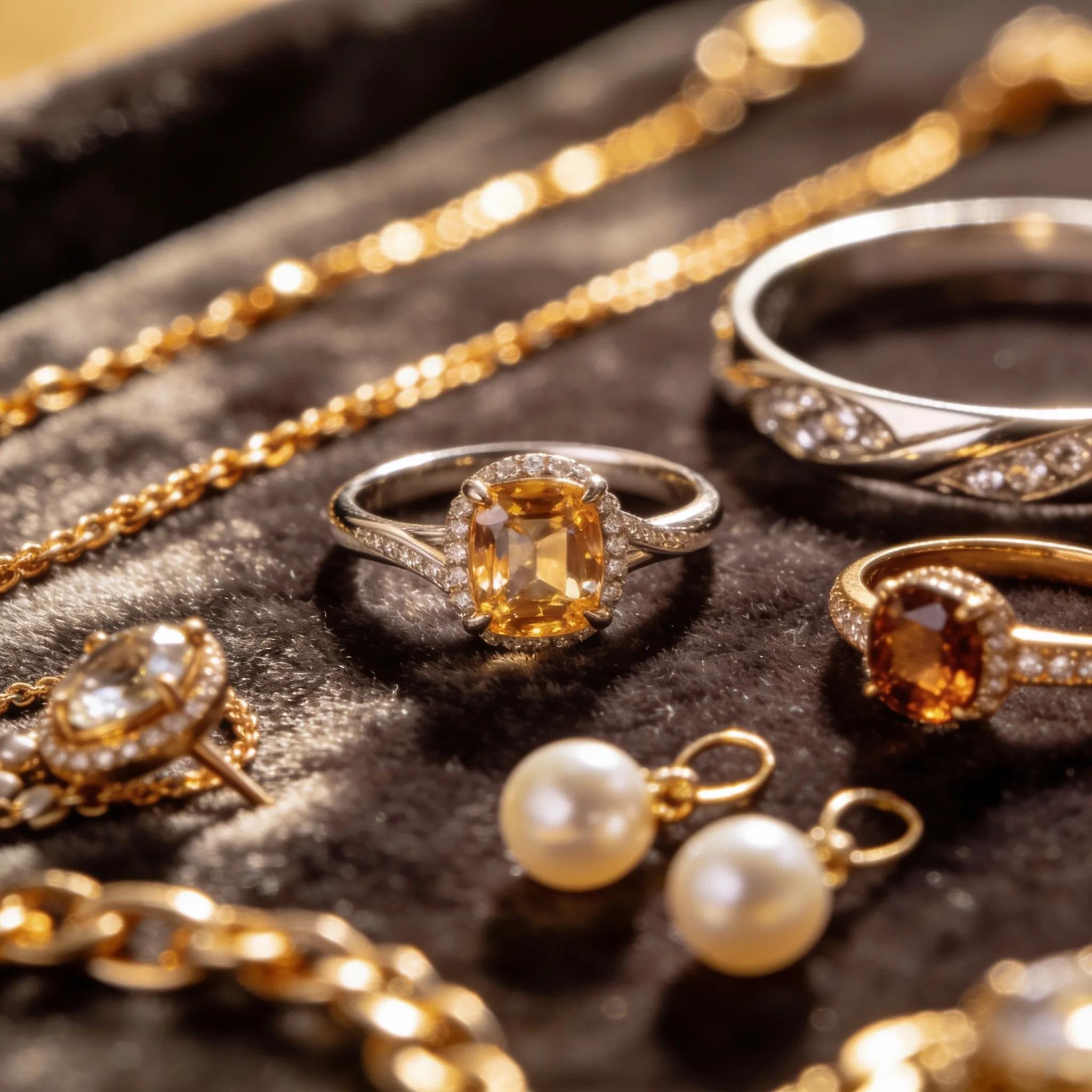
Jewelry is not just an accessory; it often carries sentimental value and can be a significant investment. However, maintaining the pristine beauty of your jewelry can sometimes feel overwhelming. This guide is designed to help you understand the best cleaning and maintenance practices tailored to different jewelry types. You will learn effective cleaning methods for gold, silver, gemstones, and pearls, as well as discover the best storage practices to prevent damage. These strategies are essential to ensure your jewelry remains beautiful, functional, and ready to wear. Throughout this article, we will also explore common questions about jewelry care and provide helpful troubleshooting tips.
What Are the Most Effective Cleaning Methods for Different Jewelry Types?
Different types of jewelry require tailored cleaning methods to maintain their shine and integrity. Recognizing the appropriate techniques based on the materials involved is crucial, as improper cleaning can lead to damage. By using safe and effective cleaning strategies, you can prolong the life of your cherished pieces and keep them looking their best. Here, we will delve into specific cleaning methods for gold and silver jewelry, highlighting effective products and common mistakes to avoid.
How Do You Safely Clean Gold Jewelry at Home?
Cleaning gold jewelry at home is both simple and effective when done correctly. The most recommended method involves using mild dish soap, warm water, and a soft-bristled toothbrush. Start by mixing a few drops of dish soap with warm water in a bowl. Soak your gold jewelry for about 15-20 minutes, then gently scrub with the toothbrush, paying special attention to intricate designs where dirt could accumulate. After rinsing under lukewarm water, pat dry with a soft cloth to restore its shine. Avoid abrasive cleaners or jewelry cleaners that contain harsh chemicals, as they can damage the gold's surface.
What Are the Best Practices for Cleaning Silver Jewelry and Removing Tarnish?
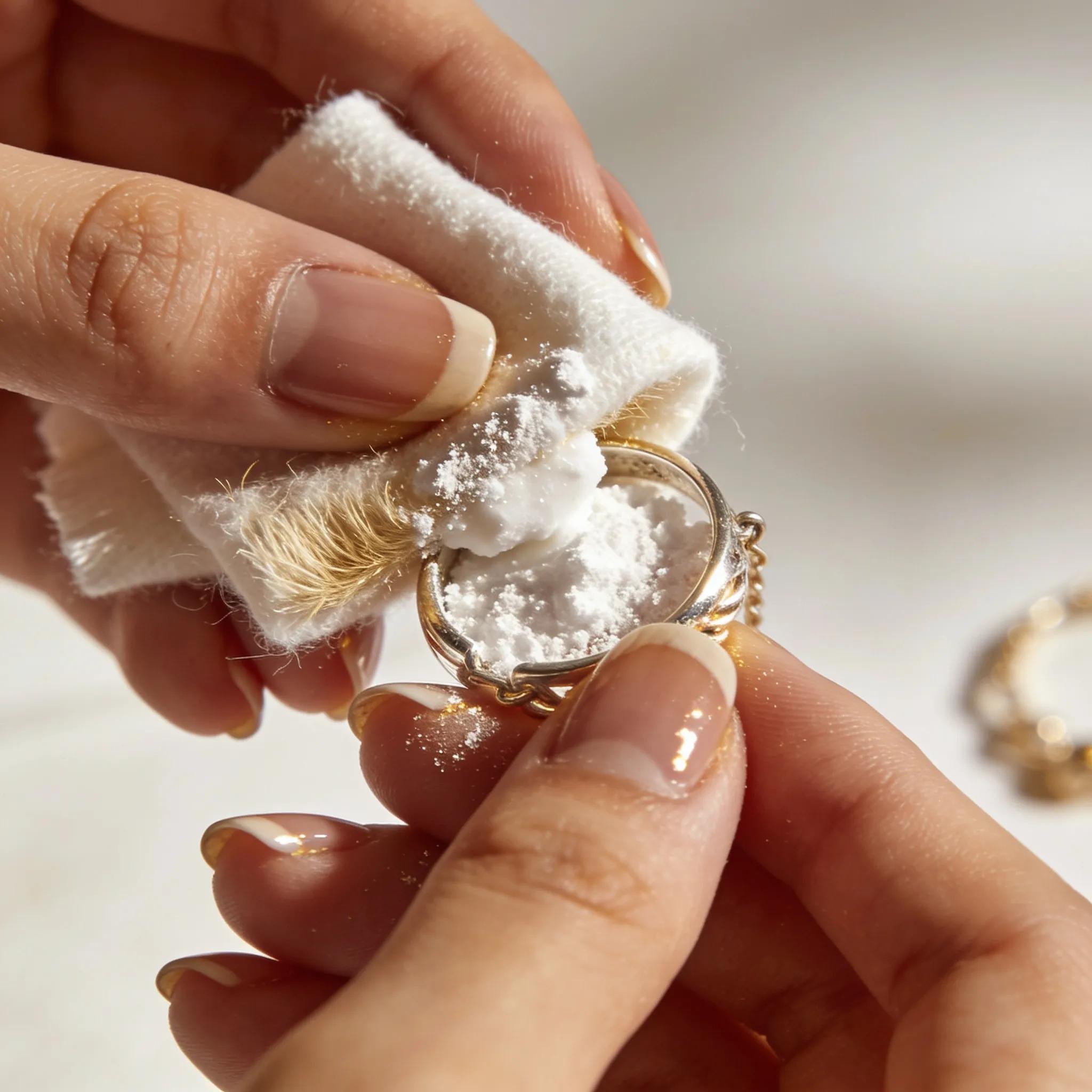
Silver jewelry tarnishes when exposed to moisture and air. To clean silver effectively, you can use a solution of baking soda and water. Create a paste by mixing three parts baking soda with one part water and apply it to the tarnished areas using a soft cloth. Gently rub until tarnish is removed, then rinse with warm water and dry thoroughly. For deeper tarnish, consider using commercial silver polish, following the product instructions carefully. Regular cleaning and storing silver pieces in anti-tarnish cloths can prevent tarnish buildup and keep your items looking radiant.
How Should You Clean and Care for Gemstone and Pearl Jewelry?
The cleaning and care methods for gemstone and pearl jewelry are particularly sensitive due to their soft surfaces and vulnerability to damage. Proper maintenance not only preserves appearance but also ensures longevity. It is vital to understand which cleaning products are safe for each type of stone and to adopt a careful approach when washing delicate items like pearls.
Which Cleaning Methods Are Safe for Gemstone Jewelry?
Gemstone jewelry cleaning depends on the type of stone. For most gemstones, a mix of mild soap and lukewarm water is effective. Avoid submerging items in water for prolonged periods, as some stones can be sensitive to moisture. Use a soft cloth to wipe gemstones and let them air dry. Notably, stones like emeralds and opals require extra care—opt for professional cleaning if you're uncertain about safety measures.
How Do You Properly Maintain and Clean Pearls to Preserve Their Luster?
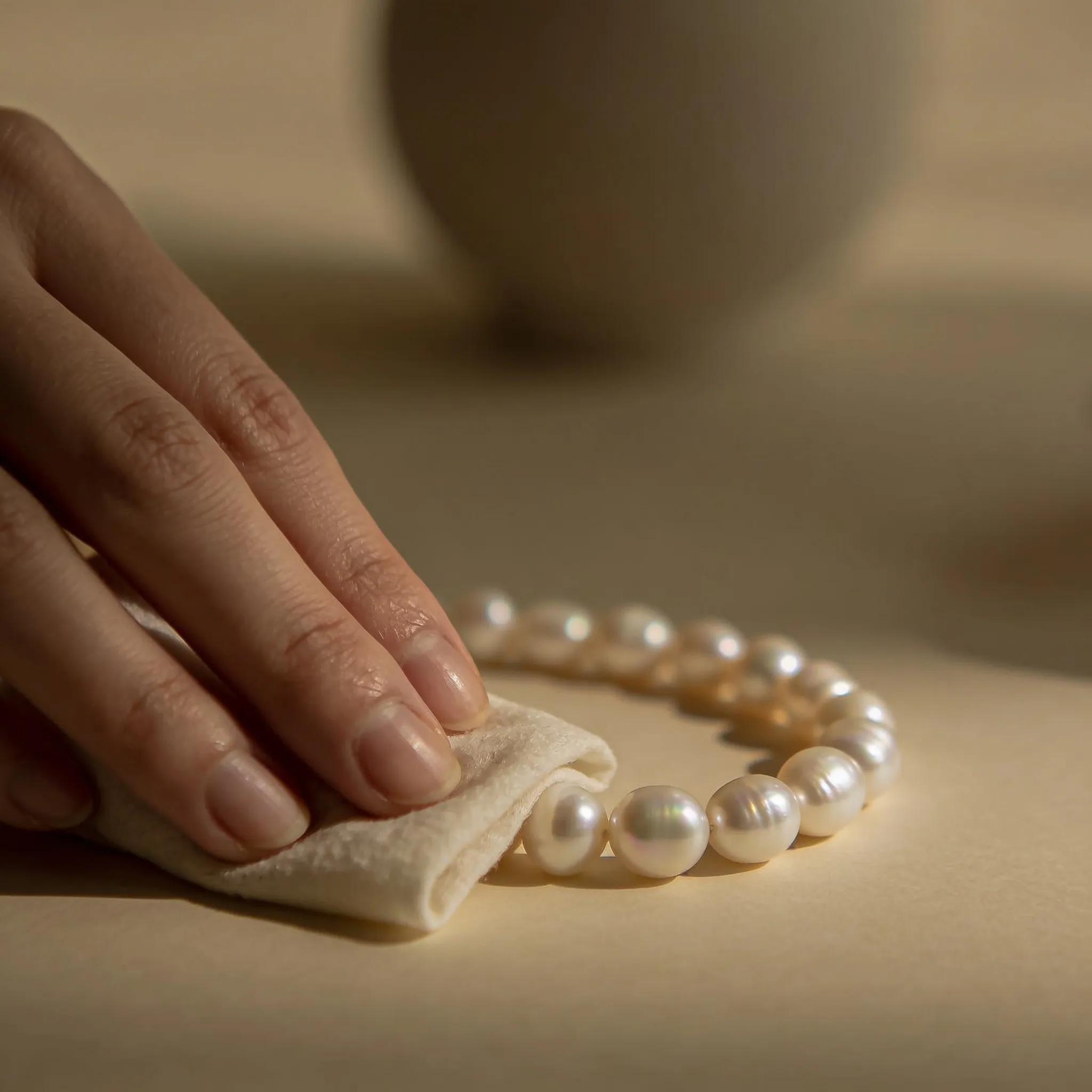
Pearls are particularly delicate and require gentler cleaning methods. To clean pearls, wipe them with a damp cloth after each wearing to prevent the buildup of oils and dirt. For more thorough cleaning, mix warm water with a small amount of mild soap and use a soft cloth to gently wipe the pearls. Always dry them completely before storing. Pearls should ideally be stored in a soft pouch or cloth to avoid scratches and exposure to direct sunlight, which can fade their color.
What Are the Best Practices for Jewelry Storage and Preventing Damage?
Proper storage of jewelry is crucial to prevent damage such as tarnish, scratches, and tangles. Understanding the right techniques and storage options can significantly extend the lifespan of your favorite pieces. Here, we will explore practical storage solutions and proactive steps to ensure your jewelry remains protected and visually appealing.
How Can Proper Storage Extend Your Jewelry’s Lifespan?
Storing jewelry properly can make a significant difference in its condition over time. Using a jewelry box with separate compartments for different pieces can prevent scratching and tangling, especially for items like necklaces and bracelets. Additionally, keeping jewelry in a cool, dry place away from direct sunlight will help maintain the quality and prevent tarnishing. Specially designed jewelry boxes with anti-tarnish properties are an excellent investment for keeping silver and other susceptible materials in top shape.
What Steps Prevent Tarnish, Scratches, and Other Common Jewelry Damage?
Preventing wear and tear involves several straightforward steps:
- Regular Cleaning: Clean your jewelry frequently to remove buildup.
- Avoiding Exposure: Keep jewelry away from harsh chemicals, lotions, or perfumes.
- Routine Checks: Conduct regular inspections for loose stones or signs of damage, allowing you to address issues before they worsen.
These proactive measures can help extend the life of your jewelry significantly, keeping it sparkling and ready for use.
How Can You Use Polishing Techniques and Tools to Restore Jewelry Shine?
Polishing is a key technique for restoring the shine of dull jewelry. Various polishing methods and tools are used to achieve glowing results, helping to maintain the aesthetics and appeal of your pieces. Understanding how to utilize these tools properly can elevate your jewelry maintenance routine.
What Types of Polishing Cloths and Tools Offer the Best Results?
For optimal polishing results, use a soft, lint-free cloth designed specifically for jewelry. These cloths often contain a polishing solution that gently cleans and adds shine without scratching. For more intricate pieces, a polishing brush with soft bristles can reach detailed areas, ensuring a thorough clean. Avoid using abrasive materials, as they can create scratches and diminish the jewelry's finish.
When and How Should Ultrasonic Cleaners Be Used Safely?
Ultrasonic cleaners are effective for cleaning many types of jewelry but must be used correctly to avoid risks. Before using one, ensure that the jewelry can withstand ultrasonic cleaning; some delicate gemstones and loose settings may be damaged. Follow the manufacturer's instructions regarding the right cleaning solutions and durations to prevent potential harm to your pieces.
Which Safe DIY Cleaning Solutions Can You Use for Jewelry Maintenance?
Homemade solutions for cleaning jewelry can be both effective and safe when prepared properly. Using simple ingredients found around your home, you can create non-toxic cleaning mixtures tailored to various types of jewelry.
What Are Effective Non-Toxic Homemade Jewelry Cleaners?
To create a gentle yet effective jewelry cleaner, combine equal parts vinegar and water in a bowl. Soak your items for about 10-15 minutes, then clean with a soft cloth. Another option is to use a mixture of dish soap and baking soda for a more abrasive, yet gentle scrub for tougher dirt. Always avoid strong chemicals or acidic substances that might harm the finish of your jewelry during cleaning.
How Do You Choose the Right Cleaning Solution Based on Jewelry Material?
Choosing the right cleaning solution is crucial to avoid damage. For gold and silver jewelry, mild soap is suitable, while softer gemstones like pearls might need a dedicated pearl cleaner. Always check product labels for compatibility. If uncertain about a cleaner's safety, opting for a tested DIY solution or seeking advice from a professional jeweler can safeguard your precious items.
What Are Common Jewelry Cleaning Questions and Troubleshooting Tips?
Jewelry owners often have questions regarding the maintenance of their items, especially when facing issues like tarnishing or damage. Addressing these common concerns can lead to better care practices and longevity for your pieces. Below are some frequently asked questions about jewelry cleaning and maintenance.
How Often Should You Clean Your Jewelry to Keep It in Optimal Condition?
The frequency of jewelry cleaning can vary based on wear and exposure. As a general rule, items worn regularly—such as rings and bracelets—should be cleaned every few weeks, while pieces worn less frequently can be cleaned every few months. Regular cleanings not only preserve shine but also allow you to inspect your jewelry for signs of wear.
Can Ultrasonic Cleaners Damage Gemstones or Certain Metals?
Yes, while ultrasonic cleaners are effective, some gemstones and delicate metals might not withstand this cleaning method. Generally, avoid using ultrasonic cleaners on soft stones like opals and pearls, and ensure that only hard stones like diamonds and sapphires are cleaned with this method. Always regard any warnings from manufacturers about the suitability of ultrasonic cleaning for specific pieces.